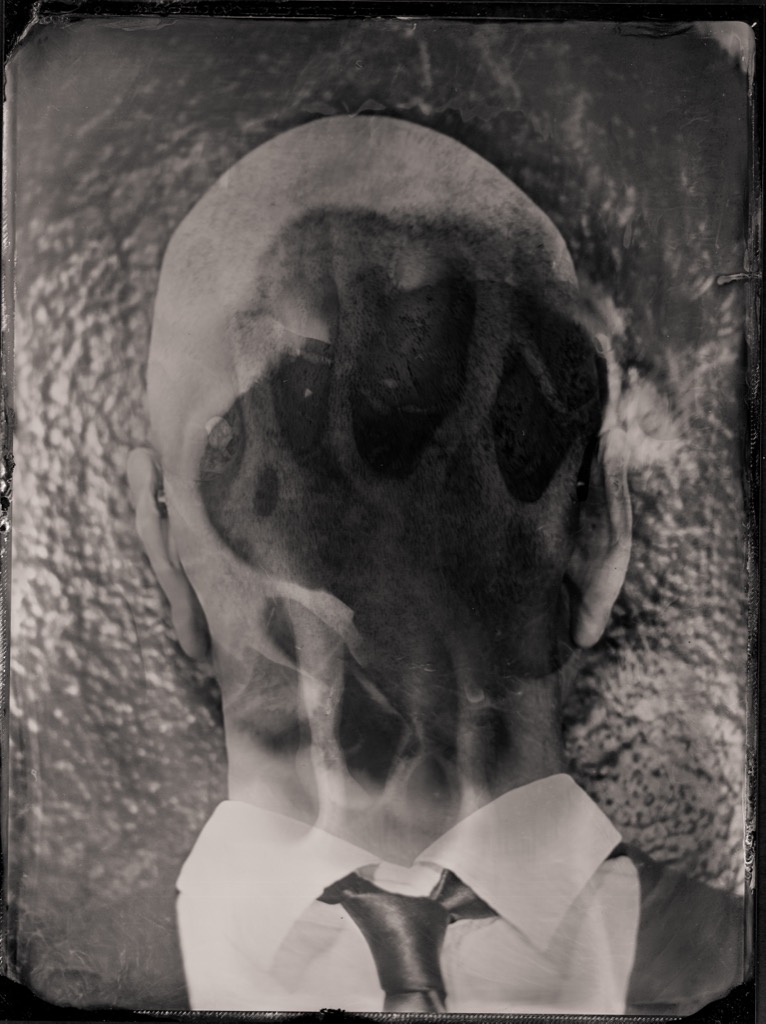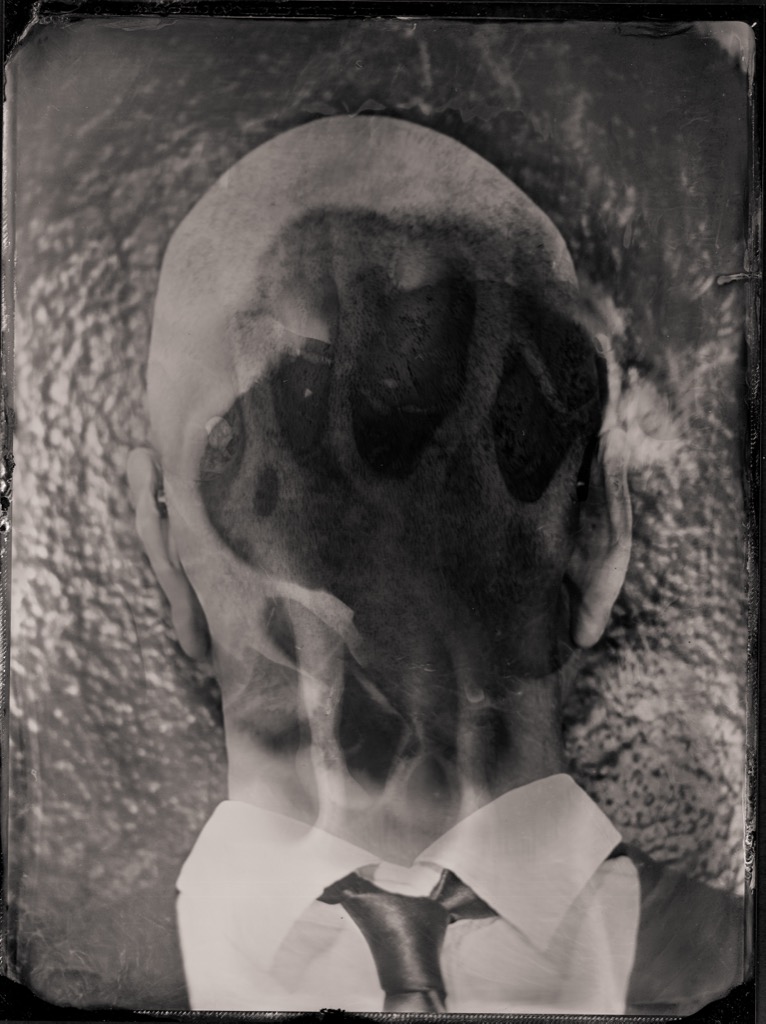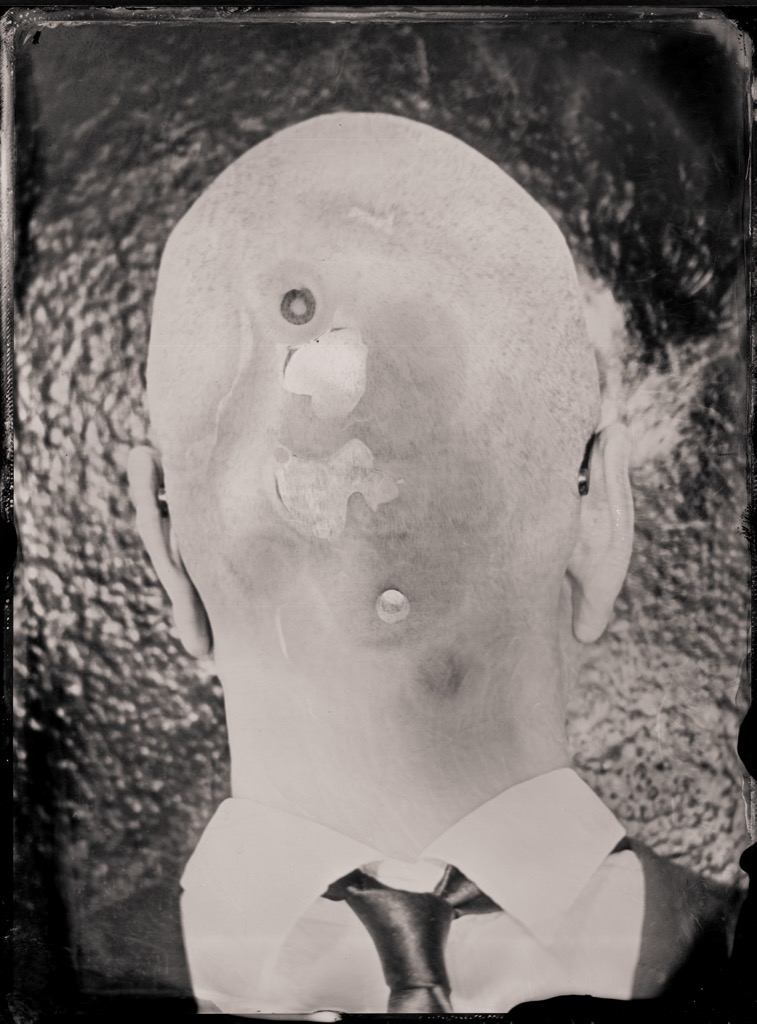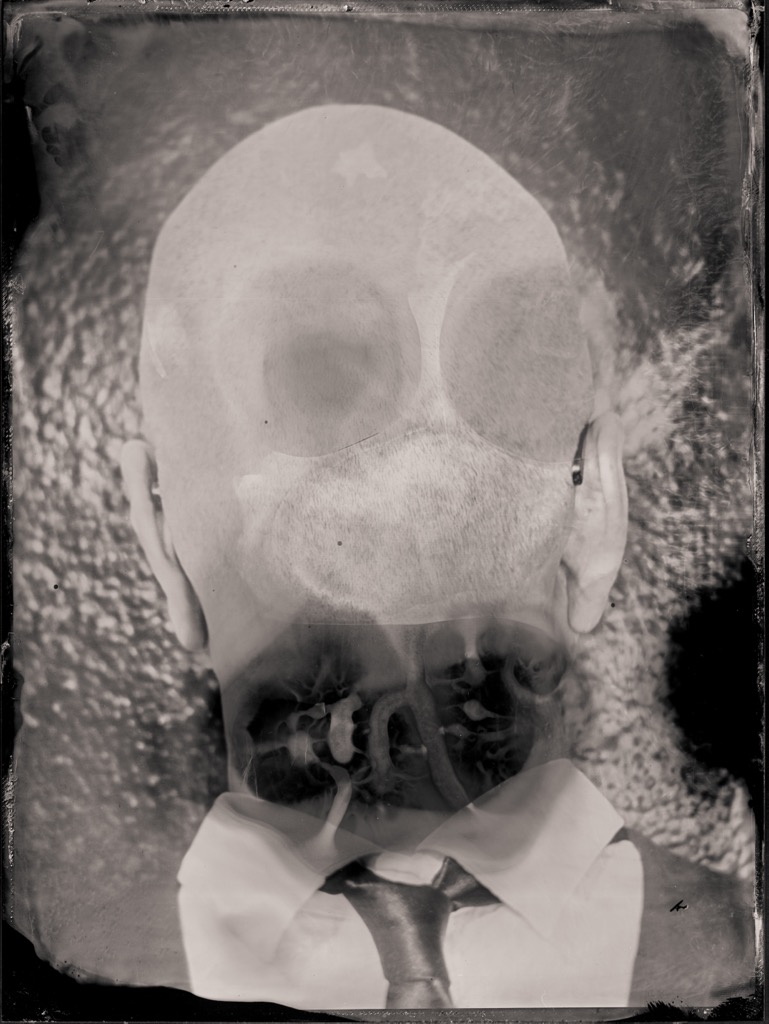
If you follow my inspired series ( http://inspired.mhaustria.com ) you will see that I always focus on capturing the person behind the subject. With the wet plate collodion process that can be sometimes easy and sometimes tough. I always prepare myself very well and only capture one or two portraits.
But this time it was different. Boris is very well know for his AI knowledge and also for his AI art.
What most people don’t know, I was interested in AI since the very beginning. I had pre access to Adobe Firefly and many other platforms. Build my own AI Computer before this was a thing and tired different models on device. I even wrote some articles for magazines, had an interview with Boris Eldagsen and Shane Balkowitsch about AI and did many other things in that direction.
I am still very interested today to learn all about it, but it’s not for my own work. And honestly, lots of AI generated content I see these days, is for me personally very boring and not interesting at all. I could go on with this, but today’s topic is a different one.
Before I start. There will be an upcoming video where I explain everything on a deeper level. Boris will also discuss these portraits with me. But today I still want to give you a little insight to understand why and how.
Let’s start with why:
If you haven’t seen the Work of Boris Eldagsen, I strongly recommend to visit his Instagram account https://www.instagram.com/boriseldagsen/
As I wrote above, this portrait is also part of my inspired series, that will end up in a book. If you want to know more about the book or want to get notified when it is available, check out this site: http://inspired.mhaustria.com
Now after you have known more about the work of Boris, you should be als aware, that he comes from a very traditional photography background. https://www.eldagsen.com/tp/ He started traditional with analog photography.
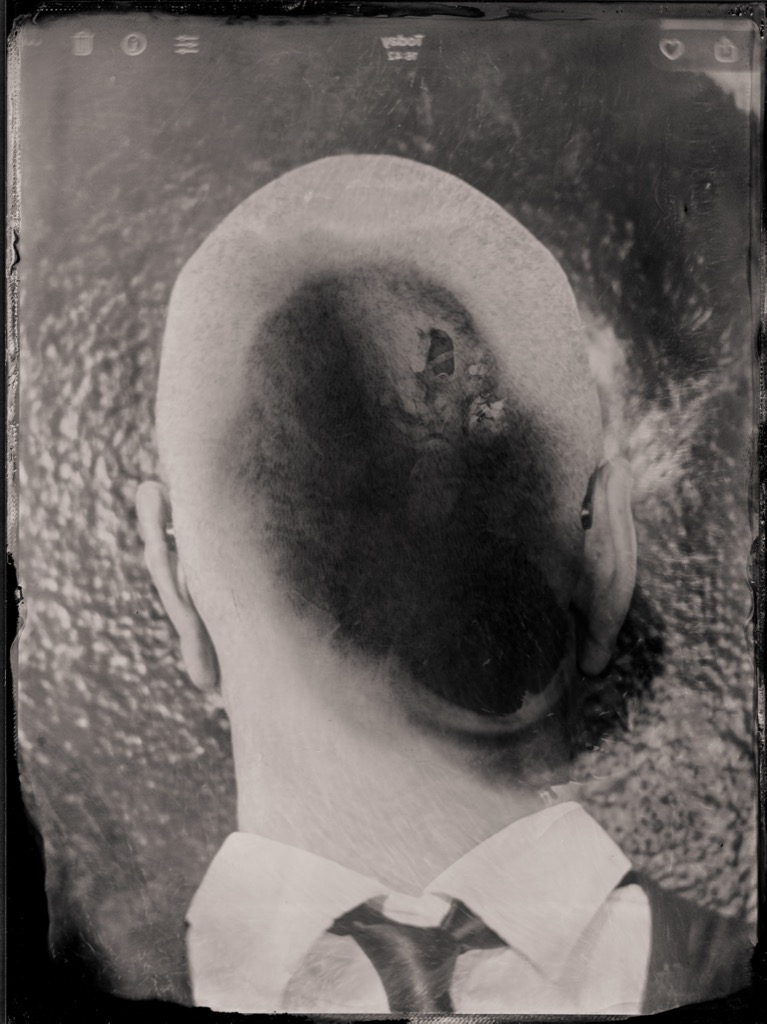
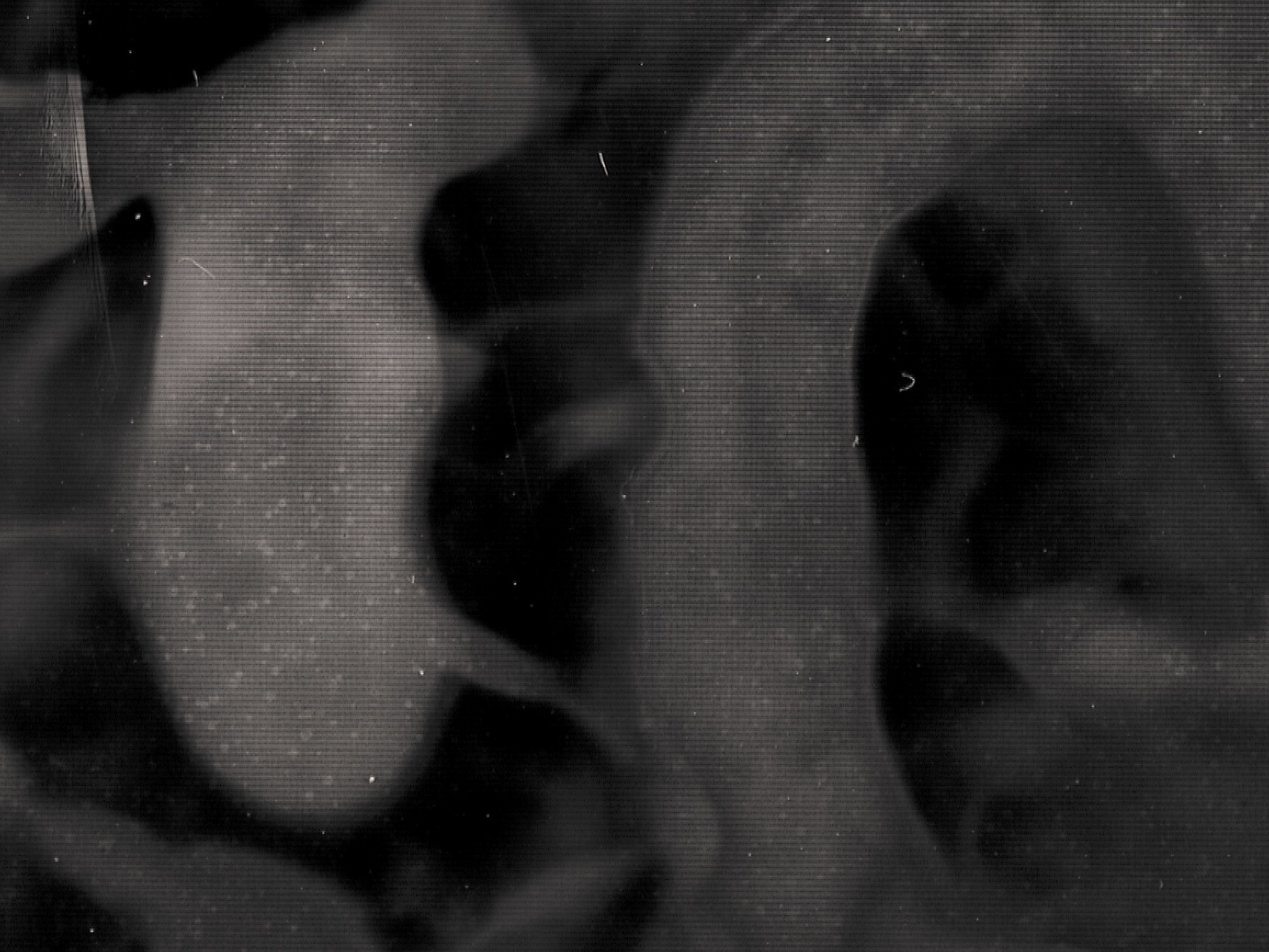
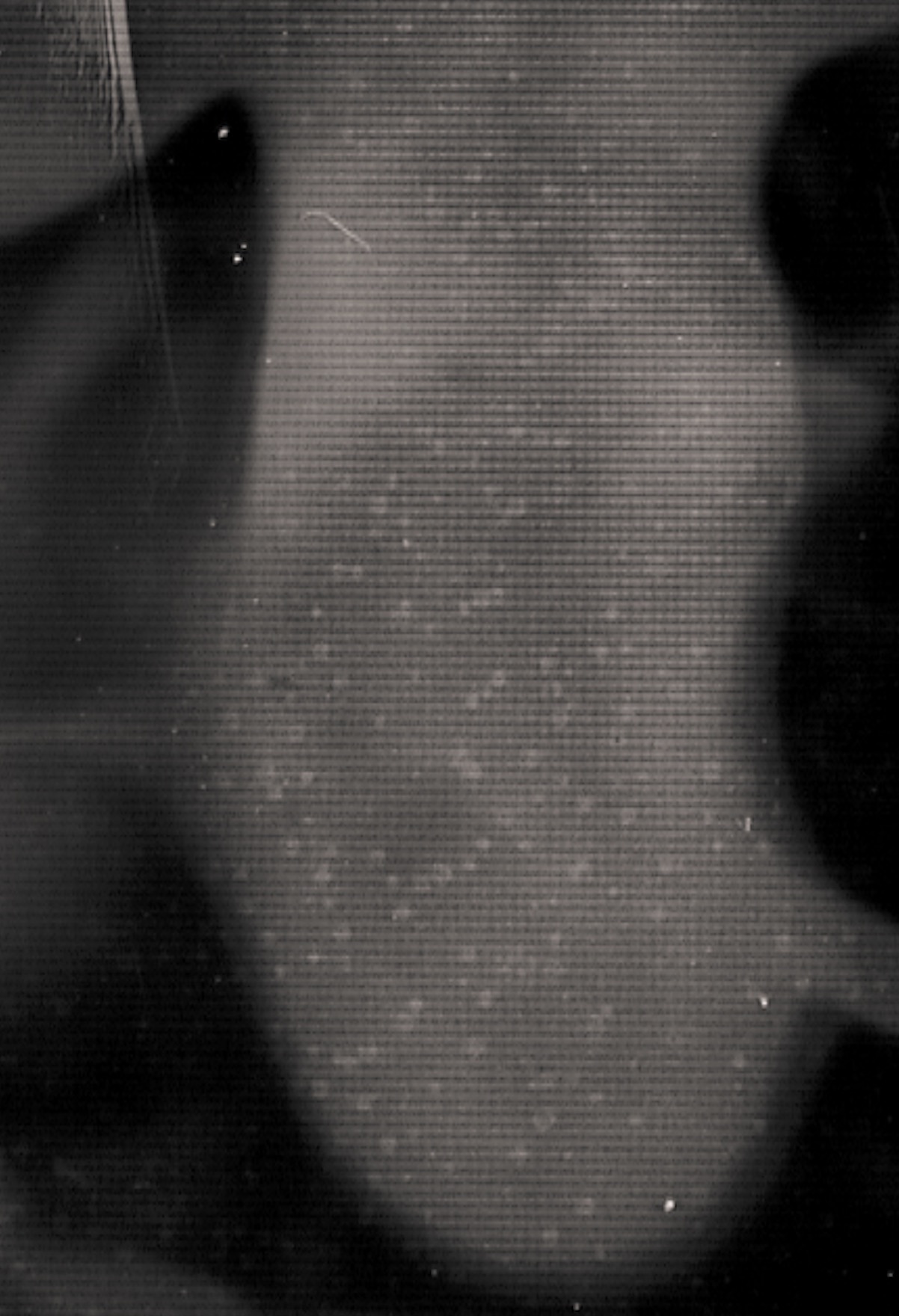
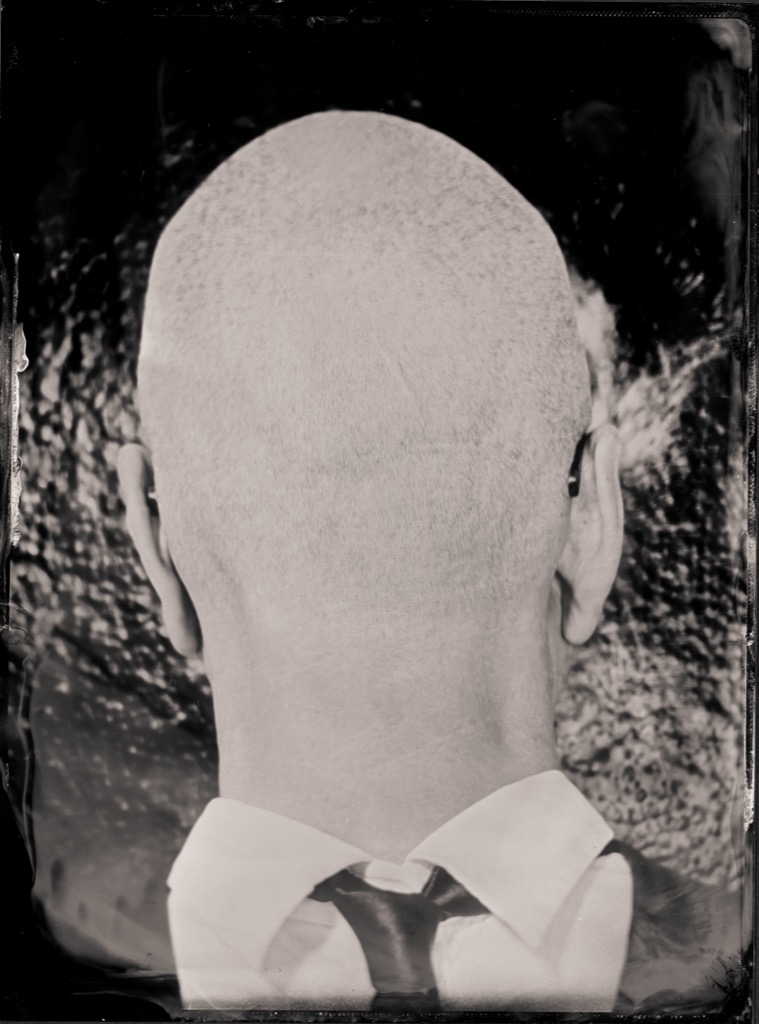
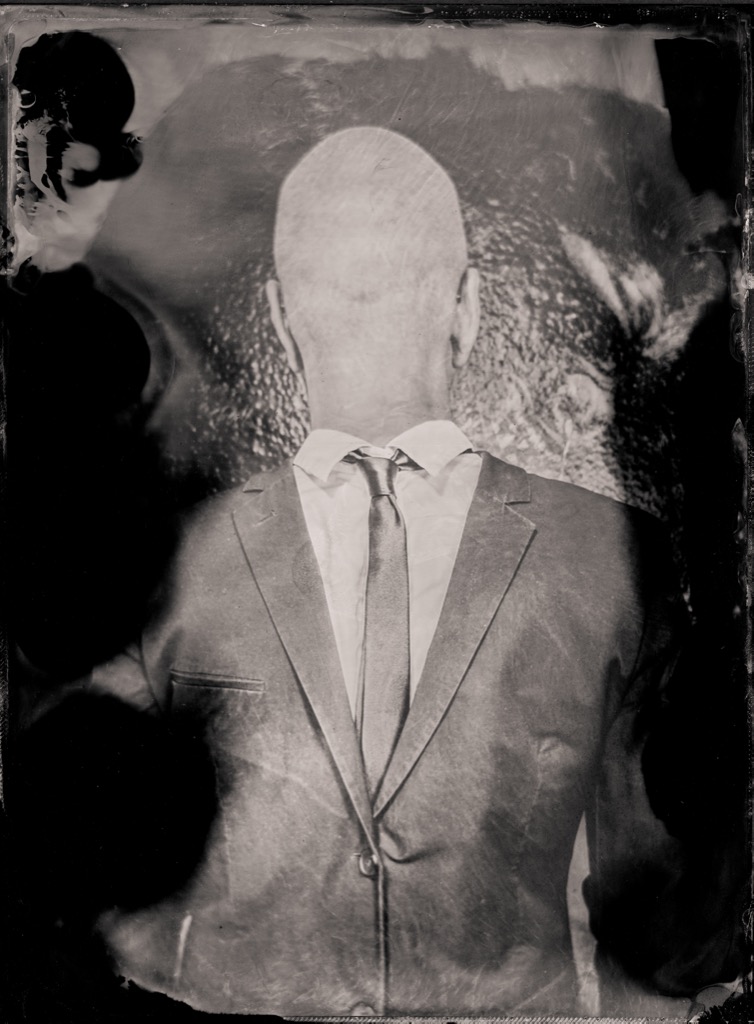
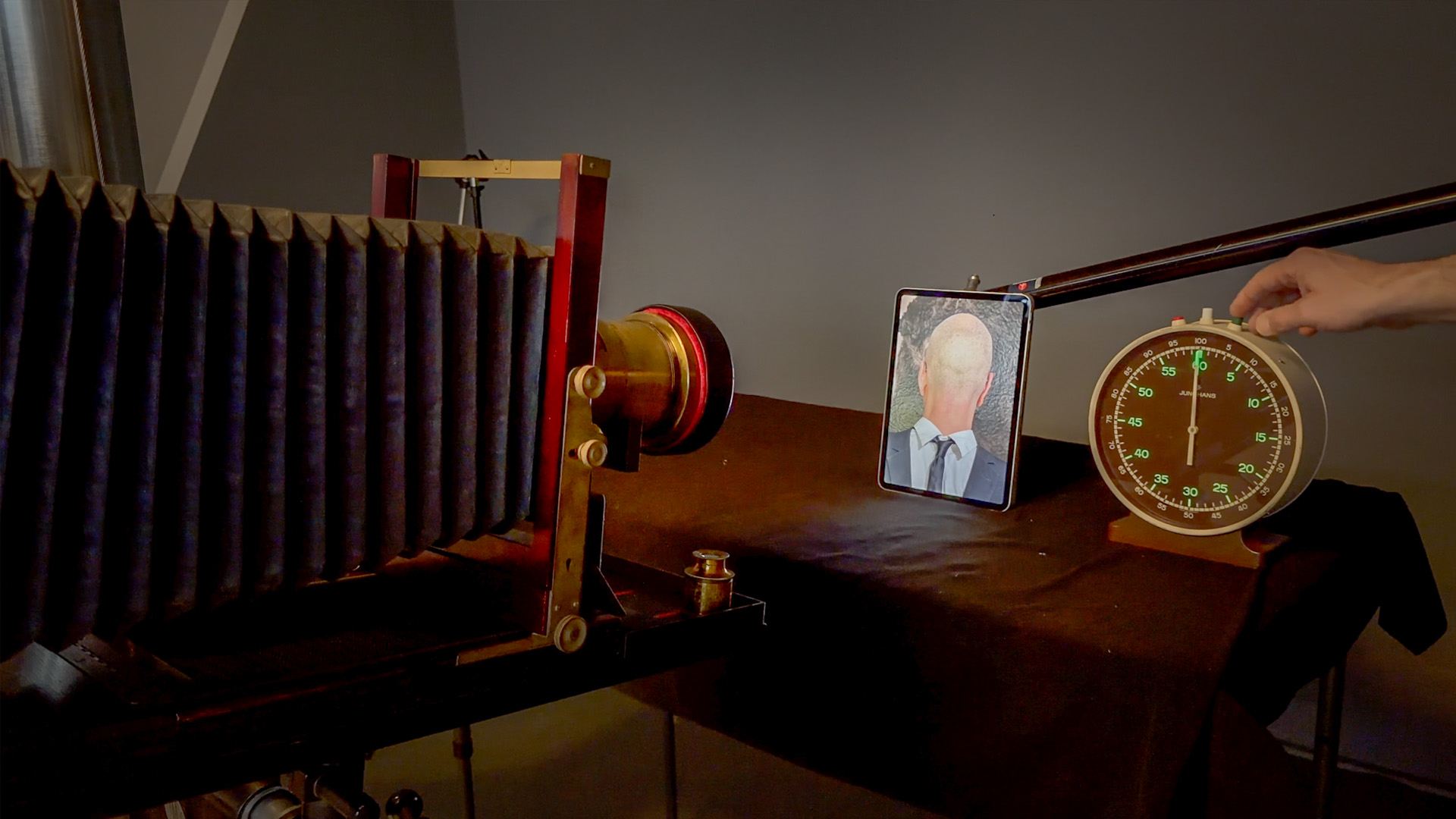
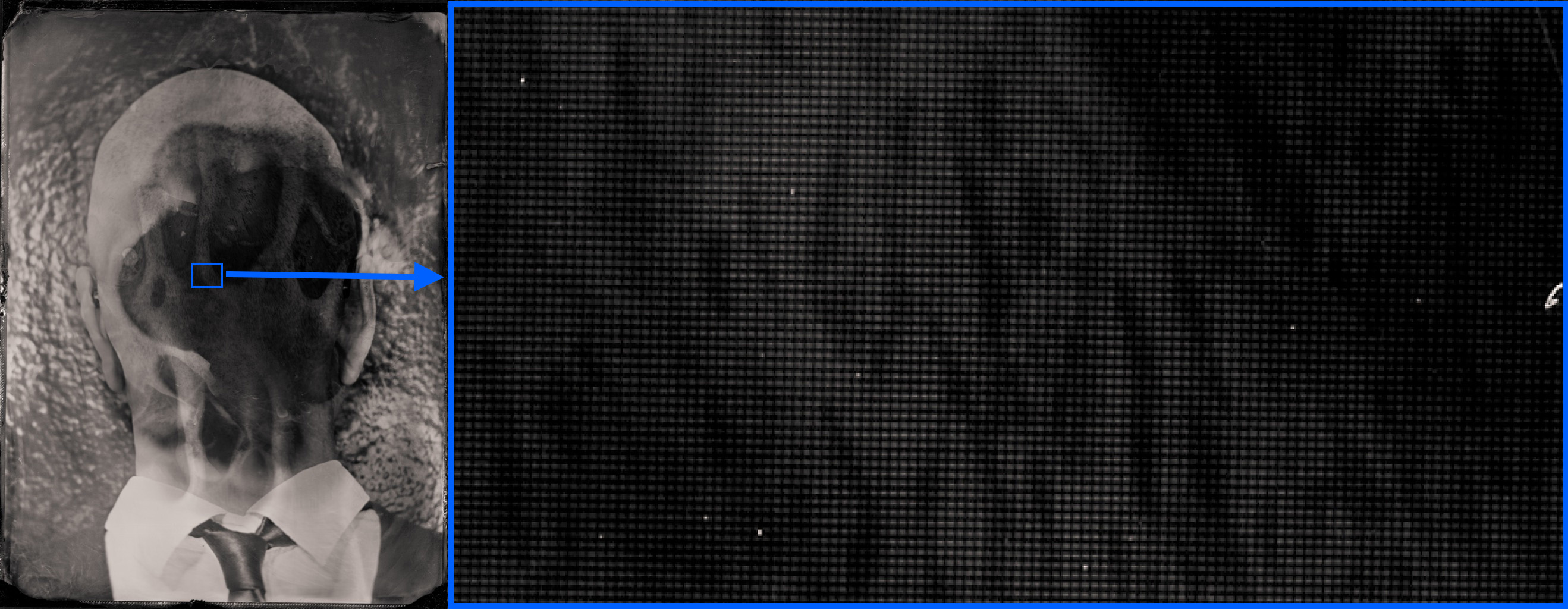
With that information in mind, the wet plate collodion process was again my medium of choice and fits perfectly to Boris story. To include the digital medium, I liked the idea to capture his portrait from an iPad. And if you have looked close enough, you will see that this 100 year old camera with a 150 year old Dallmeyer Petzval lens still captured the pixel of the iPad. So this completely analog and hand made image has a digital background.

Why do I call it analog AI. Is it just Clickbait? No, there is a deeper meaning behind that. Normal analog processes like a typical film photography is called an analog process. The collodion wet plate process is part of an alternative analog process. Thats why I call id Analog Alternative Intelligence (AI)

And why is Boris Eldagsen wearing his suit and tie back to front?
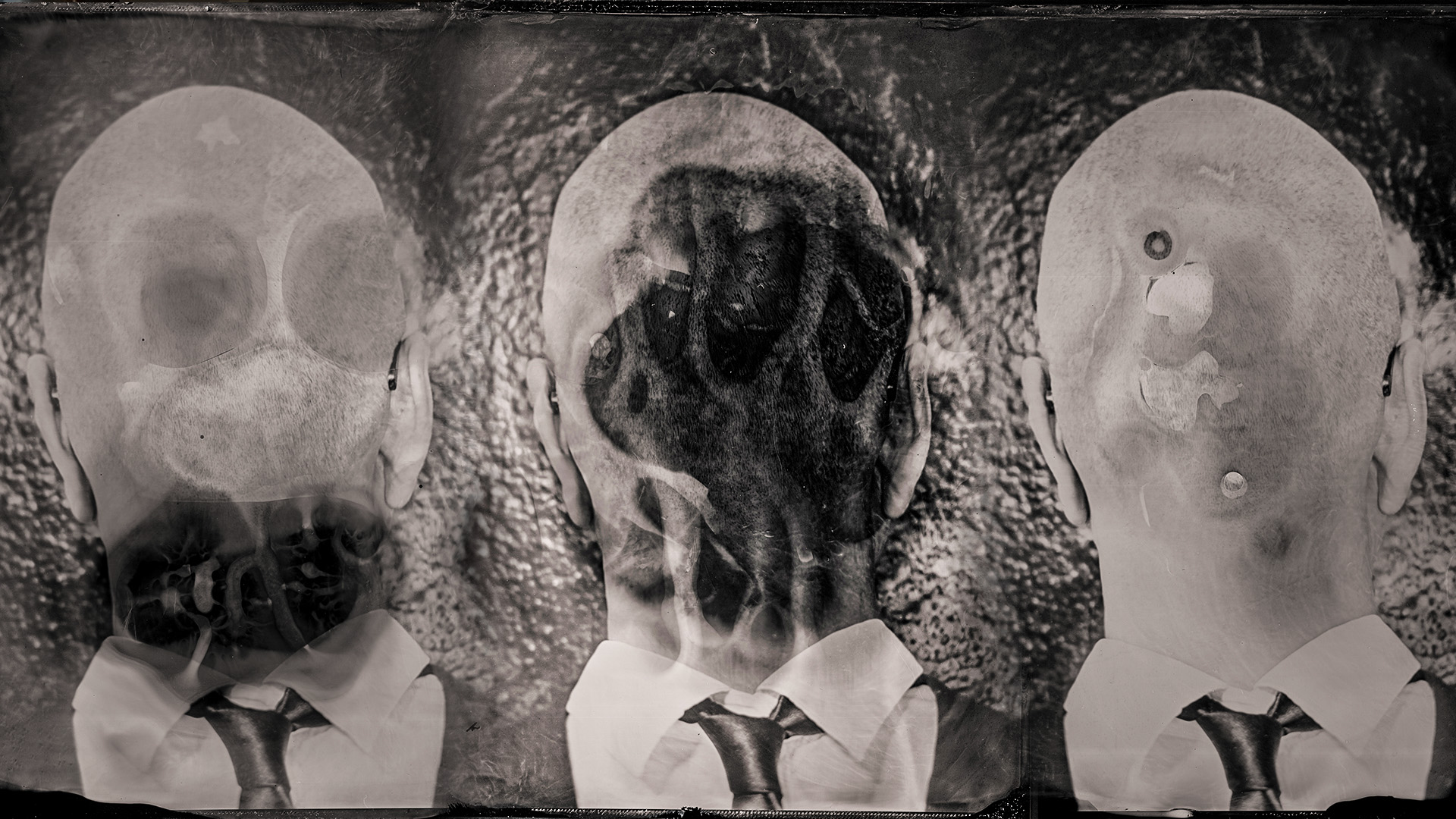
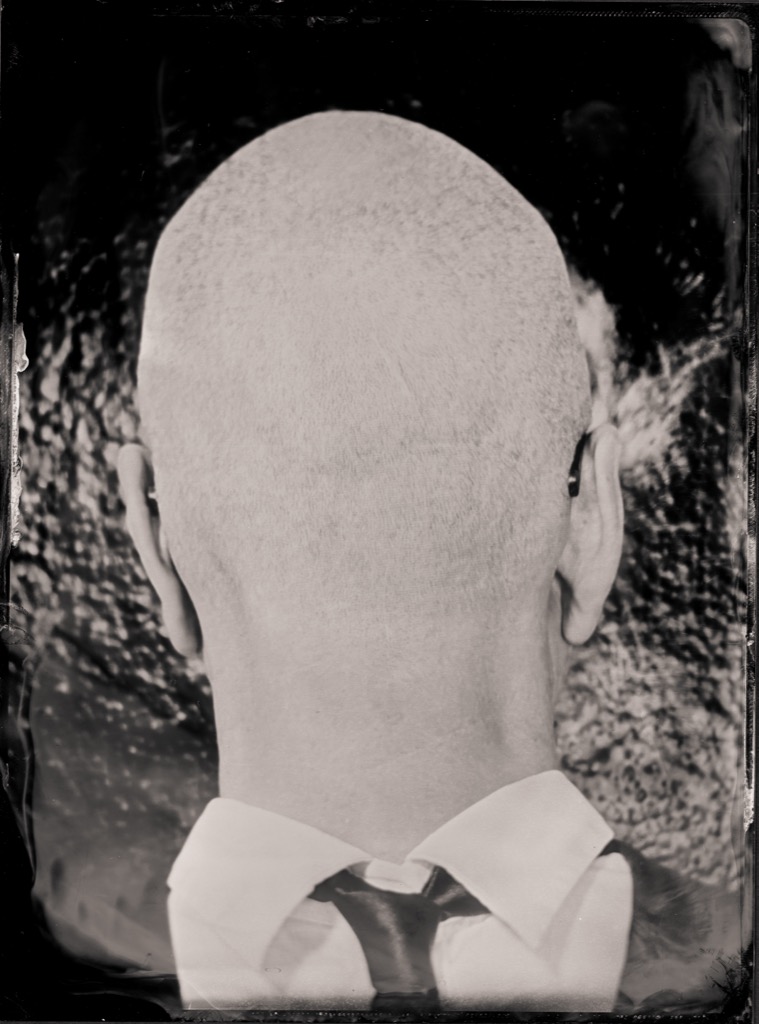
Of course without a face and a facial expression, I have a blank canvas for the process to interact with the subject. But I like also some ideas that go a bit deeper. I guess most of you know the saying “it’s in the back of my head”. At some point we figure it out and it becomes present. And that may be also a way where the art of Boris Eldagsen comes from. From the back of his head.
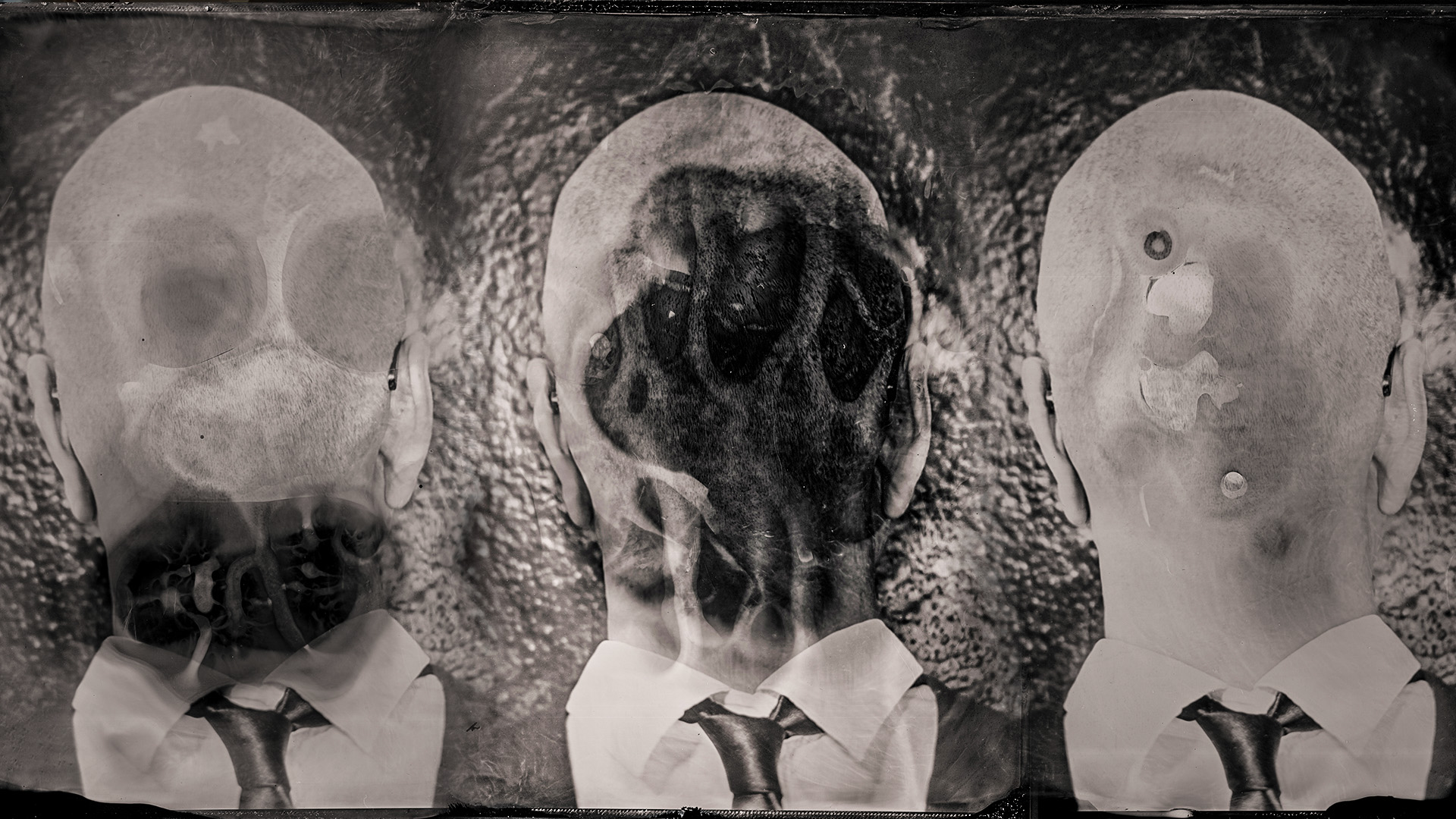
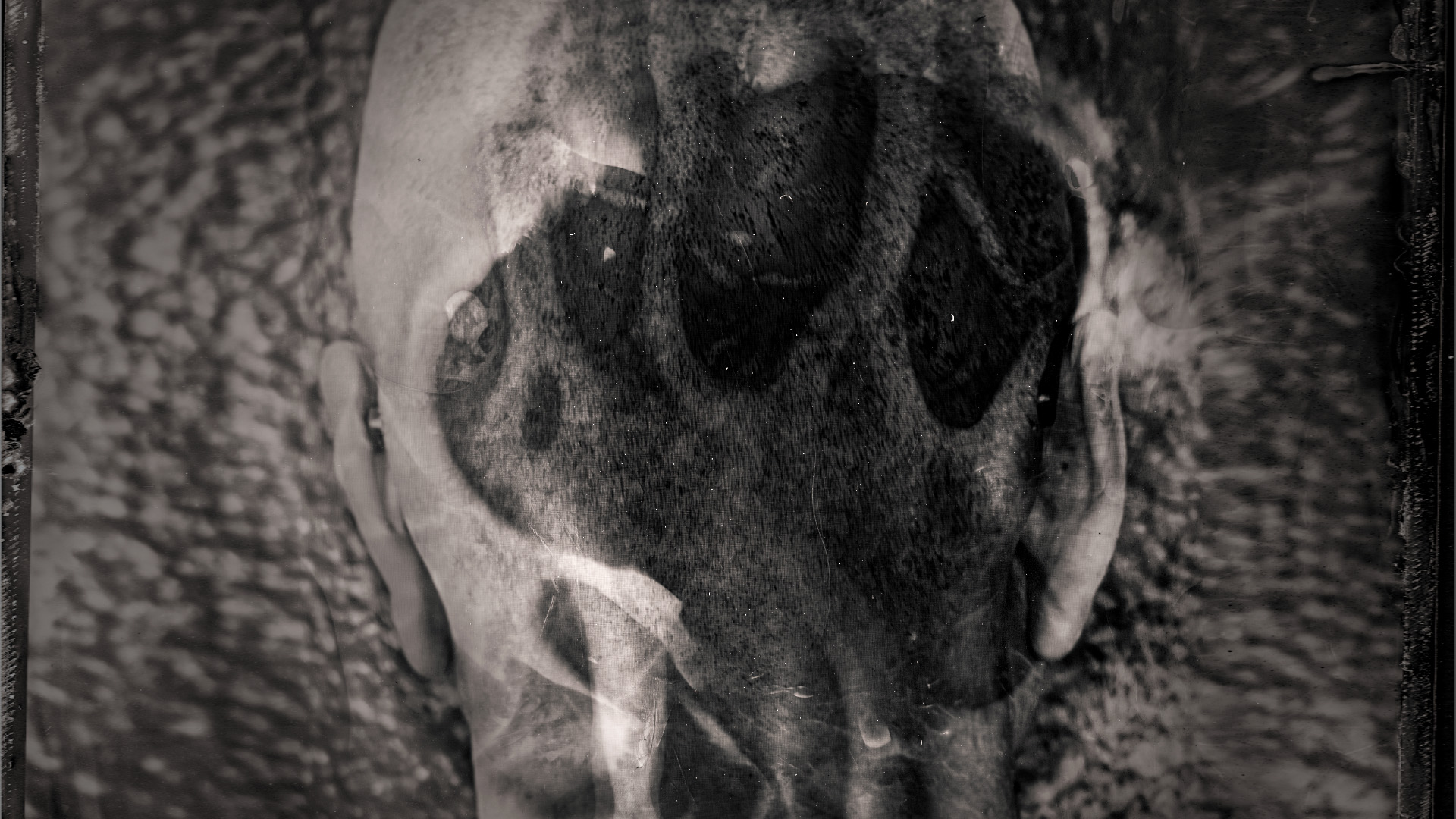
It’s also fact that ai sometimes really messes things up. It’s hallucinating. It turns things upside-down. It also reminds me of a straitjacket. Thats where I personally see AI sometimes. Sometimes it needs to be restrained from my point of view. Some chemicals I used to alter the image also acted as restrainers. And when I go back now to the work of Boris Eldagsen, I can see some similarities about AI going too far. For example “Sunflowers Without Decay”.
For me this is also about how our daily life is affected by AI.
How much can we believe these days, what is true and what is not true. And even when an image/video is true, it still can be quoted as AI to question its credibility.
Day after day, people feed AI the most personal pieces of themselves and never look back. Not with fear. Not even with curiosity. Just silence.
And while they do, the machines keep consuming. A single AI query devours roughly 10 times more energy than a simple web search. The data centers never sleep. The servers never rest. And to keep them alive, they are already planning new nuclear power plants, entire reactors, built for the hunger of AI. The lights stay on. The core stays hot. The cost is someone else’s problem.
This portrait makes me feel myself as I am living already in a black mirror episode sometimes.
Now it’s on you to let me how the final image makes you feel and how you see the connection between this concurrences and coincidences that the chemicals created in combination with this 155 year old process.
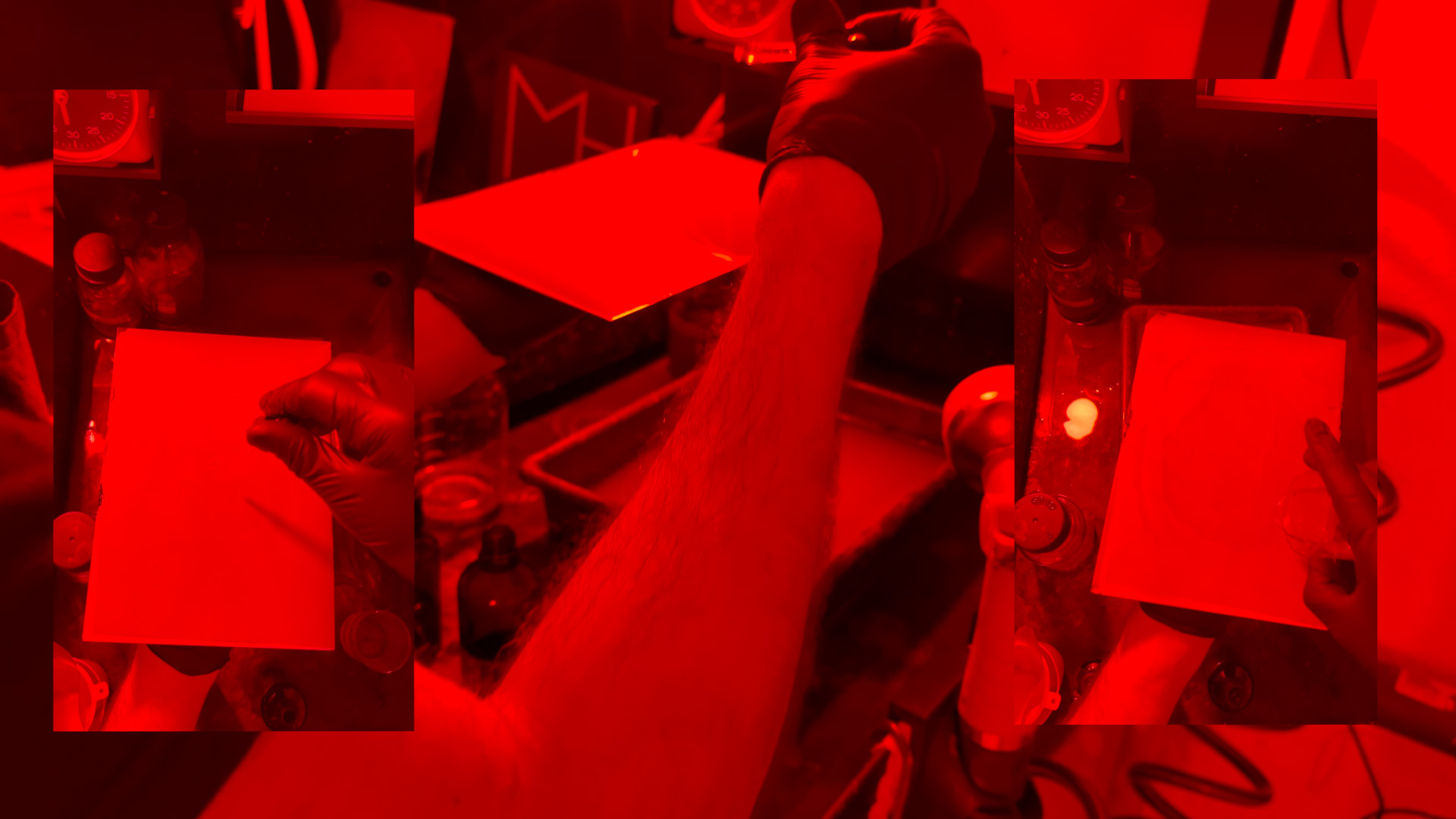
So what did I use to alter the portraits? I only used chemicals that are also used in the wet plate process. I did not want to introduce anything that has nothing to do with that process. With that I was able to retain details while altering the image.

I wanted to let the process take over — so I decided to apply the chemicals before development, rather than on an already finished plate. That meant I had only a vague sense of where the portrait would eventually emerge. It’s a balance: I still had some control over placement, but the rest was handed off to the analog process itself. I even varied how I applied the developer, leaning further into that unpredictability and letting the process gain more control.
This is very similar to a prompted image. You send away your prompt and AI creates a generated image. I like the term “promptography”